The Stairs, Chapter 24
Indignity Vol. 6, No. 37

THE STAIRS
© Tom Scocca, 2025
This is a work of fiction. Any resemblance to actual people, places, and events is entirely coincidental, with the exception of the events in Chapters One and Two, which happened more or less as written, on the line between Cambridge and Somerville, Massachusetts, on Memorial Day weekend in 1999.
24.
Getting Emily to take us to the Municipal Stables was as easy as it had been to get her to take us to Fort Muntjac. It was all the same day to her as before, and the same sort of thing to do. Instead of going east, we just went west, to the southeast corner of Tarquin Park, in downtown West Marble.
We'd had an educational school trip to Tarquin Park before, too, but we hadn't gone to see the stables then. The park, we'd been taught, had been called George Park under the British, until the colonists tore down the statue of King George III there, threw it in the Portwine River nearby, and renamed the park after the ancient tyrant Tarquin, who had been overthrown to start the Roman republic.
We rode to the subway stop at the bottom of the park, at the end of the line. The mosaic signs said 23 1/2 STREET in dark blue and pale yellow. When they planned out the numbered grid of West Marble, the edge of the old park down there wasn't really in the right place, so they just wedged it into the plan with a half-block.
The stable itself was a long, three-story building, made mostly of gray stone with some brick and concrete sections added on. It had big square doorways along it with roll-up steel garage doors on them, some closed and some open. From the open ones, floating over the whole block, came the smell of hay and manure.
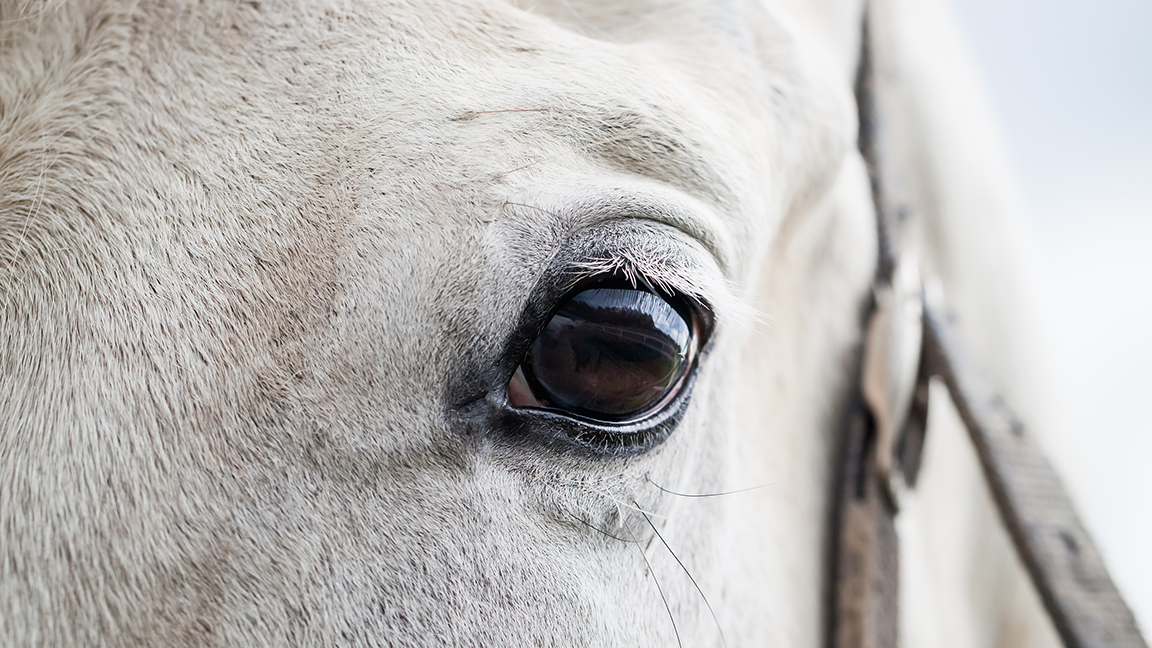
At the middle of the building, next to a regular wooden door for people, was a fountain, with water jetting out of the wall in three places, falling down into half-circle basins like balconies, and then flowing down into a knee-high pool about 10 feet wide. A fruit-and-vegetable cart was parked next to it on the sidewalk, and the white horse pulling the cart was drinking from the pool.
"They used to have these drinking troughs all over town," Emily told us. "Right out on the sidewalks, for all the horses. Now there are only a few, and only two or three are still running."
"Let's get some apples," Maxine said. We walked over to the cart. The parts that weren't full of bins of fruit or vegetables were painted green and gold, and it had a green awning over it. The wheels were wooden, but with rubber tires like a motorcycle. The driver leaned against it, wearing heavy-rimmed sunglasses and a floppy cap.
"What can I getcha?" he said. Maxine picked out a bag of a dozen pale yellow apples. "Five dollars," he said. "Thank you, miss. Look at that, Jasmine, your load is lightened already." The horse kept on drinking.
"Those look good," Theo said.
"They're not for us," Maxine said. "Let's go in."
We stepped through the door into a little office with a thin, grimy carpet and a plastic-topped counter. Behind the counter was a man with a wrinkled, sunburned face, who stood barely taller than Maxine. Dusty bottles of horse shampoo were lined up to one side of him, along with various straps and rings and things I couldn't begin to identify.
"Here for a ride?" he said.
"Hi, Tony," Maxine said. "We brought some friends, just to show them around." She and Emily led me and Theo out the side door of the office, into a wide inside walkway. It was lined on both sides by stalls, with board walls and metal-pipe gates. About half of them were empty, and horses stood drowsily in the others, with hay or sawdust underfoot. We passed a parked cart half-full of scrap metal and another one stacked with bags of potting soil.
"The independent carters keep their horses here," Maxine said. "Carriage horses are the next section over to the left, and then after that are the freight-carting companies. They keep their offices upstairs."
"Is that where—?" Theo started to ask, but Maxine cut him off with a quick wave.
"Down that way, to the right," Maxine said, "are the theatrical horses, the riding horses, and the parks department patrol horses." She was talking like a tour guide now. "Everything but the regular police horses. The cops have their own stable, up in Shoreburg."
"May I interrupt to get an apple?" Emily said. "I want to bring one to Darlene down in the riding stable."
"Sure," Maxine said, handing her one. "We're going to go look at the exercise ring." Emily took the apple and left.
"Uhff! Can I get out now?" It was Pythia, from inside my backpack. I'd put a sweatshirt in there for padding and kept it a little unzipped for air on the subway ride. Milton, we'd left back at the apartment, with grave reservations and stern warnings from Pythia that he'd better still be there when we returned.
I checked around us. "All clear," I said, slinging the backpack around and opening it up more.
Pythia slipped out onto the floor, then scrambled up a gatepost, turning her head this way and that. "Don't care for this sort of place," she said. "Rat-friendly. Out in the parks, the rats know their betters. Don't give away all the rest of those apples before I get back."
Pythia hopped to a vertical metal beam, then climbed up to the ceiling, using the thick rivets as footholds. Where the beam met the wooden crossbeam at the top, there was a knothole. "See you shortly," she said, and ducked into it.
We went on along the walkway, to where it opened out into a big inner yard, covered in soft dirt. A fat black-and-white pinto horse was trudging around it, led by a skinny old man holding a rope tied to its halter. Beyond them, through a gate, was the green of the park, sloping downhill to the Portwine River, yellowish silver in the sun. The river flowed into Tarquin Park from the west through an underground concrete culvert, meandered through the trees and rocks like a normal free river, and then got squeezed down into another culvert on its way to Marble Harbor.
Beside us, a reddish-brown horse with gray on its nose stuck its head out of a stall and made a sort of snuffling, flapping sound. "Hello, Abner," Maxine said. Maxine went over and scratched its nose, then held up an apple. It ate it in a few quick bites.
Two ponies in neighboring stalls on the other side stuck their heads out too. One was golden brown and one dappled gray. "Hi, Billy; hi Clover," Maxine said. She handed me an apple. "Try Clover," she said. "Keep your fingers out of her way."
Clover was the dappled one. I flinched a little as she snapped up the apple, but her heavy, bristly lips only lightly grazed my palm. "I want to give her an apple, too," Theo said.
"Try Dusky, around the corner," Maxine said, giving him an apple and pointing the way. Dusky was half again as big as the other horses, with a broad white stripe down the middle of his dark head. "Dusky pulls a beer wagon," Maxine said.
More heads were popping out of their stalls, with more snorting and little clomps of hooves against the boards. Maxine told us who to trust and who would as soon bite the unwary as eat an apple.
"What if Emily comes back?" I said.
"Don't worry, we'll have to go find her and drag her away," Maxine said. "Better save an apple or two for over there."
"And some for Pythia, right?" Theo said.
"I should hope so," came a voice from near the ceiling. Pythia scurried down a hanging length of chain, then swung to the top of a stall door and perched there. "Least you could do for my going there and back and forward and down again," she said. "And learning something about where the resonator went."
"Did you ask the horse that pulled the getaway cart?" Theo said.
"Ask who?" Pythia snorted. "Why would you think a horse could talk?"
We had no good answer to this. "I found the cart," Pythia said. "Wet with snow, still smelling of the machine. Torrence Carting Co., Wagon No. 7. And with that, I could get upstairs and check the delivery ledger."
"And?" I said.
"One nighttime trip: 'Pickup Harken 100 blk., Dropoff Fishhawk 7300 blk. Oh, and from the cart, I got this." She held up a paw. Wrapped around her wrist was a broad, flat strip of tinsel.
"The 7300 block?" I said. "That's Fishhawk and 73rd, right? That's—"
"Shinter's," Maxine said. "He's trying to power it off Shinter's."
Find previous chapters of The Stairs here.

WEATHER REVIEWS
New York City, April 21, 2026
★★ Sun plunged from a high springtime angle to land on the bright white of a thick shearling or mock-shearling collar. The contrast was cruel but the poet already got to that. The light on the flourishing leaves filled the window with new-grown gold but the other poet already got that one. Someone had made the forthright decision to just go out and get through it in jeans and a sweater, rather than trying to finesse the impossibility with some subtle combination of layers. Other people were setting up to smoke weed on the stoop, enjoying the day whether it wanted to be enjoyed or not. The Park was lush green in every direction, green down to the pollen dust filling the pavement cracks, with a blooming hawthorn as a column of white, and in among all that, the cold bit at the scalp.

New York City, April 22, 2026
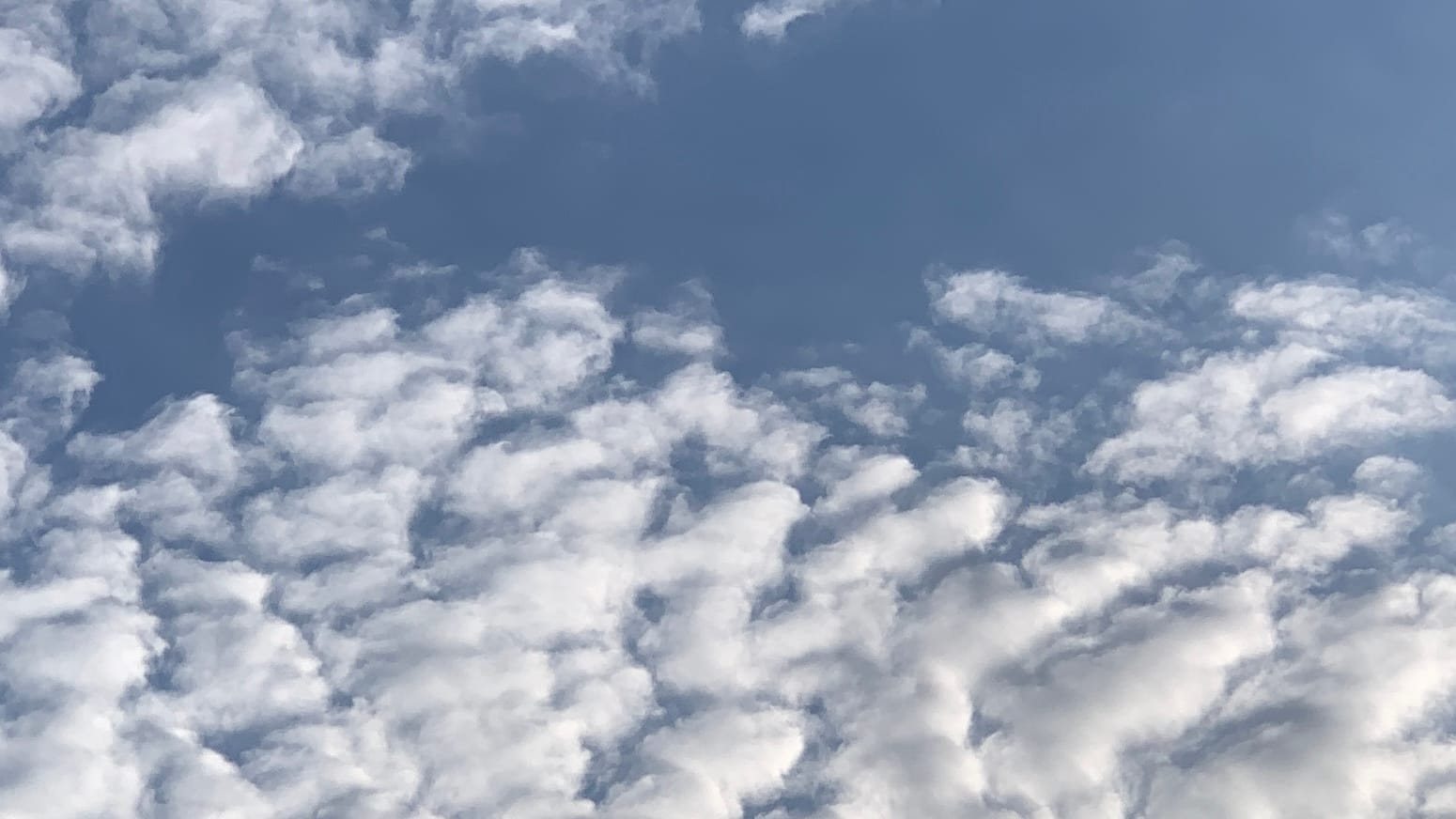
★★ The worst part was the beginning, with the night rain rattling on into morning and damp, heavy air clogging up the indoors. Improvements came slowly: by midday, it was just dim, chilly, and humid; by afternoon, the light was still muted but the clouds muting it had gone from gray to white and had blue showing around them. With evening coming on, the sky over the people swinging on the temporary swingset installation at Lincoln Center was blue and dotted with pink clouds, with a low wall of rose-tinged gray standing in the west. Out on the terrace at the first intermission, it was cold enough that the outerwear left on the theater seats would have come in handy, but not too cold to stay out for the view. The night clouds afterward were a cheery bluish white with light pollution, whiter where they hung lower. Before bedtime, though, they let out a renewed rattle of rain, and a burst of thunder to go with it.

EASY LISTENING DEP'T.
Here is the Indignity Morning Podcast archive!
 TOM SCOCCA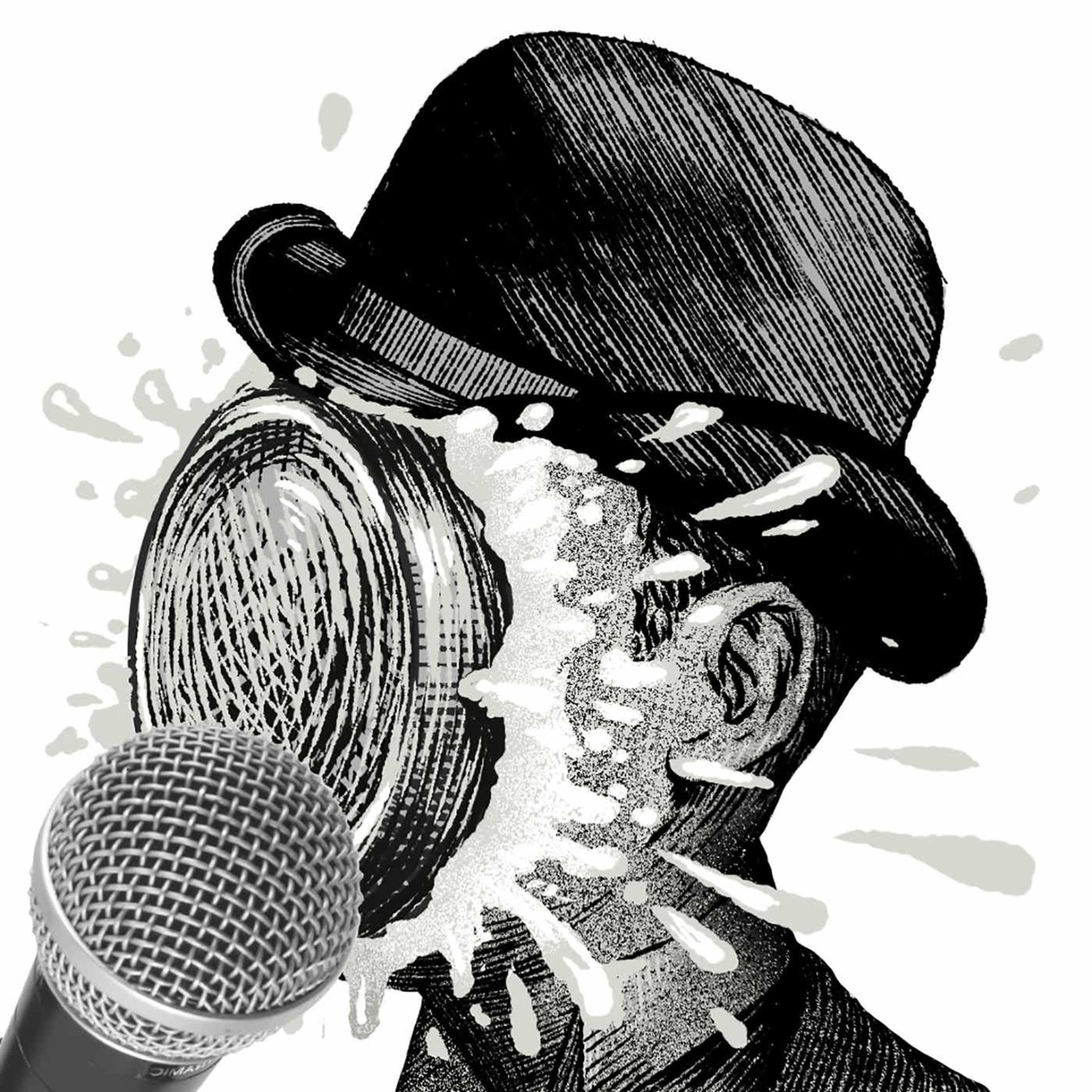

SANDWICH RECIPES DEP'T.
WE PRESENT INSTRUCTIONS for the assembly of the final sandwich selection from Choice Selection of Tested Recipes from Many Households, published in 1907 for The Ladies' Aid Society of The Baptist Church, Wallingford, Vermont by Wm. H. Nichols Cook Book Pub. Co., Morrisville, VT, and available at archive.org for the delectation of all.
DEVILED HAM
One pint of boiled ham chopped very fine with a good proportion of fat, one teaspoonful of dry mustard, one tablespoonful flour, one-half cup boiling water; press firmly into a mold and set away until cold, cut in thin slices; for the table, or nice for sandwiches.
If you are inspired to prepare a sandwich inspired by these offerings, be sure to send your experience and a picture to indignity@indignity.net.

SELF-SERVING SELF-PROMOTION DEP'T.