The Stairs, Chapter 29
Indignity Vol. 6, No. 47


THE STAIRS
© Tom Scocca, 2025
This is a work of fiction. Any resemblance to actual people, places, and events is entirely coincidental, with the exception of the events in Chapters One and Two, which happened more or less as written, on the line between Cambridge and Somerville, Massachusetts, on Memorial Day weekend in 1999.
29.
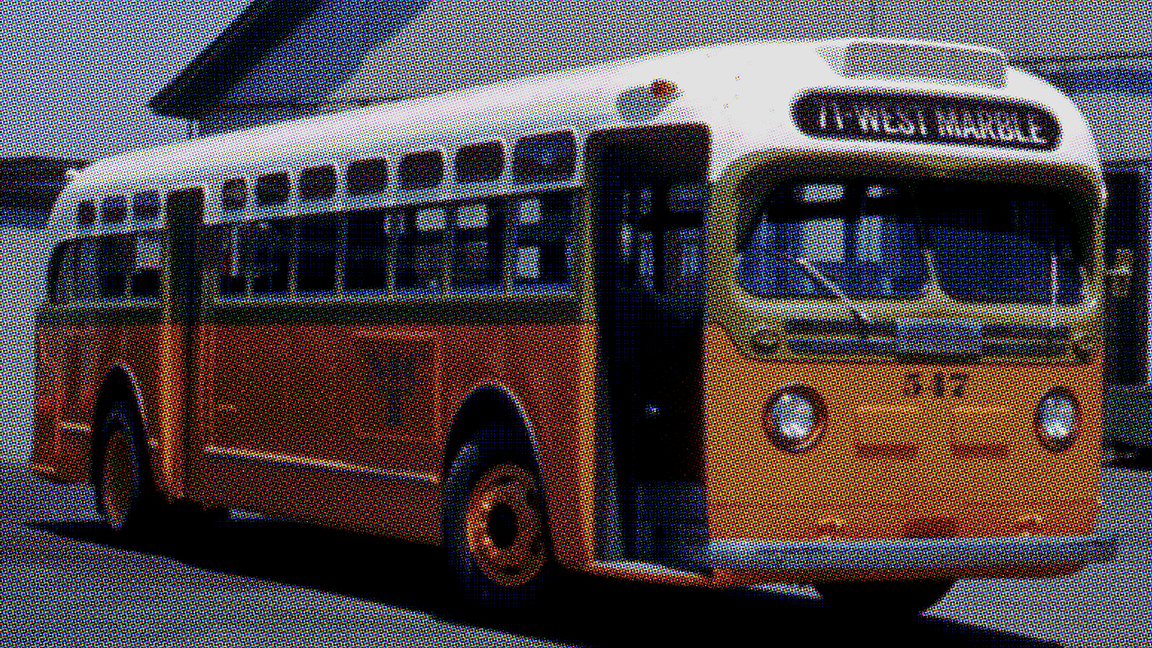
Five minutes later, we were on the No. 71 bus. According to Maxine, it was a Yellow Coach 700 Series, rear engine. According to my reading about the Marble City bus lines, it would be running the same route the No. 71 runs in our time: up Willis Boulevard to where Old Marble meets the borough of Shoreburg, northwest along the edge of Shoreburg, and then across on 71st Street into West Marble—bringing us just three blocks from Shinter's.
"What do we do when we get there?" Theo asked. "How do we even find the machine? What do we do with it, if we do find it?"
"That is why—the only reason why—we're bringing the expert," Pythia said, glowering at the backpack in Theo's lap. Milton was silent within. Pythia had ducked inside my coat while we'd dropped our buffalo nickels in the fare box, but now she was sitting on the seat between me and Theo. Maxine was leaning over the back of the seat in front of us.
"It looks so different by daylight," Maxine said. "It looks more real."
She was right. Till now, we'd been sneaking out into the night, which would have made the city seem peculiar no matter what year we did it. Now there was just the normal-looking winter sun shining on bricks and asphalt. The solid buildings cast long, solid shadows on the sidewalks and the banks of shoveled snow.
But it still wasn't right, exactly. One block of shops or houses would look just like we expected it to, and after that would come something we didn't recognize at all—a ratty old wood-frame building with a LODGING sign outside, or a cluster of skinny apartment buildings pressed together behind a tangle of metal fire escapes.
The bus passed a small empty lot between houses with a thick, spreading tree filling most of it. Its bare limbs twisted wide and low as if it had originally grown alone in the middle of an open field.
Pythia saw me looking out at it. "The last chestnut in Marble City," she said quietly. "The blight hasn't reached it yet. Every other one's already gone. In 1900, the chestnuts were everywhere, and now they're dead. We go back through this one, when we can, to when they all were thriving. Feasts you wouldn't believe. Acorns were nothing next to it."
We rode on. The bus took a slight left turn, and now we were on Parkside Drive, running by Waldo Park. We could just see over the gray stone wall to the snow-covered lawns and a hill worn through to the brown grass by sled marks. Icicles hung from a gazebo.
"What are those train tracks?" Theo asked. Beside the bus, flush with the pavement, we could see a set of shiny rails.
I remembered this from looking up historic Marble City transit. "They're from the Borough Line trolley," I said. "It shut down in the 1930s, when they brought in the bus instead, but they haven't torn out the old tracks yet."
The bus sighed to a halt. "End of the line," called the driver. The two or three other passengers on the bus started gathering their bags and standing up.
Out the window I still saw Waldo Park. "Doesn't this go on to West Marble?" I asked.
"Not today," the driver said. He cut off the motor and stood up to stretch his legs, hitching his belt. "We're not running through because 71st is shut down for the Electro-Parade."
"For Shinter's? That's where we were trying to get to," Maxine said. I ducked down in the seat and wrapped Pythia up in my coat.
"I bet," the driver said. "Supposed to be a heckuva show this year. Wish I could help you out, but the walk's not too bad. Four long blocks to Fishhawk Ave. and you're there." He pointed west.
"Thank you," I said, straightening up again. Maxine led the way off the bus, then Theo with the backpack, then me. It was hard to walk nonchalantly with a squirrel inside my coat, but I did my best. The driver had settled back into his seat and was unwrapping a sandwich in waxed paper, so he barely looked up as we went by.
"Enjoy the spectacle," he said, and took a bite. We stepped off the bus onto the cold sidewalk. The sun was white and already looked lower in the sky.
I looked at my watch. It said 2:20. We waited for the light, then started crossing Parkside Drive, to get to 71st Street. "Four crosstown blocks!" Maxine said. "That's 20 more minutes wasted at least! And who knows how fast Hartstock can get the machine up and running, with his head start?"
"Well, not as fast as he wanted to," Pythia said, poking her head out of my coat front. Her claws were clinging to my sweater, and it tickled a little. "Good move there, taking his box of acorns."
"I didn't know that was making a move," Theo said.
"Milton did," Pythia said. "Right, Milton?" There was an uncomfortable shuffling inside the backpack.
"Hartstock needs the machine set up and calibrated again, after moving it," she continued. "Once he broke off on his own, the technical staff that stuck with him—like your friend in the bag here—were not the most conscientious or reliable ones. Without the acorns in hand, he has to be trying to get them to work for credit. If they show up at all."
"They're not that bad," said Milton's muffled voice from the bag. "Not all of them, anyway."
"You'd better hope they are that bad," Pythia said.
"Why would he hope that?" Maxine asked.
"He already ate some acorns from you, right?" Pythia said. "If Hartstock gets the resonator to crush your future out of existence, there's nobody to have given him those acorns. And yet—" She made a barking squirrel-laugh. "Maybe it's fine, having a temporal anomaly inside your own digestive tract. You think so, Milton?"
The bag was silent. "Don't try to answer," Pythia said. "If you were thinking, you would have thought of that before you went to Hartstock. I've got acorns in my own belly, and I don't intend to find out what happens if they become part of a paradox."
Up ahead we could see the sign where 71st Street met Cabin Avenue. Three more blocks to go after that. We quickened our steps.
Find previous chapters of The Stairs here.

WEATHER REVIEWS
Your Weather Reviewer was laid up with a bad cold for three days and can only report that the view out the sickroom window looked maddeningly gorgeous. Stay away from other people if you're coughing, and everybody wash your hands! The Weather Reviews will return next week.

SANDWICHES UPDATE DEP'T.
We copy/paste 'em as we see 'em, cleaning up ancient typos and hazy terms, but one of yesterday's serving selections from Consolidated Library of Modern Cooking and Household Recipes, Vol. IV had us befuddled.
Egg Sandwiches
Chop 2 whites of hard-boiled eggs very fine. Put the yolks through a strainer or mash thoroughly with a silver fork. Mix well, season with salt and pepper, moisten with a little mayonnaise or cream salad dressing. Spread on buttered slices of white or entire-wheat bread, cover, and press lightly together...
Why on earth would it be important to use a silver fork to mash the egg? If anything, wouldn't you want to do the opposite? There's sulfur in eggs, and we took just enough high school chemistry to know what sulfur does to silver. The whole business of silver turning black and needing to be polished all the time didn't used to happen, back before people started burning sulfur-laced coal on an industrial scale and blanketing the world with the fumes. You could make a silver bullet and it would stay shiny, no matter how long you had to wait for a werewolf to show up!
 Ilaria Canevara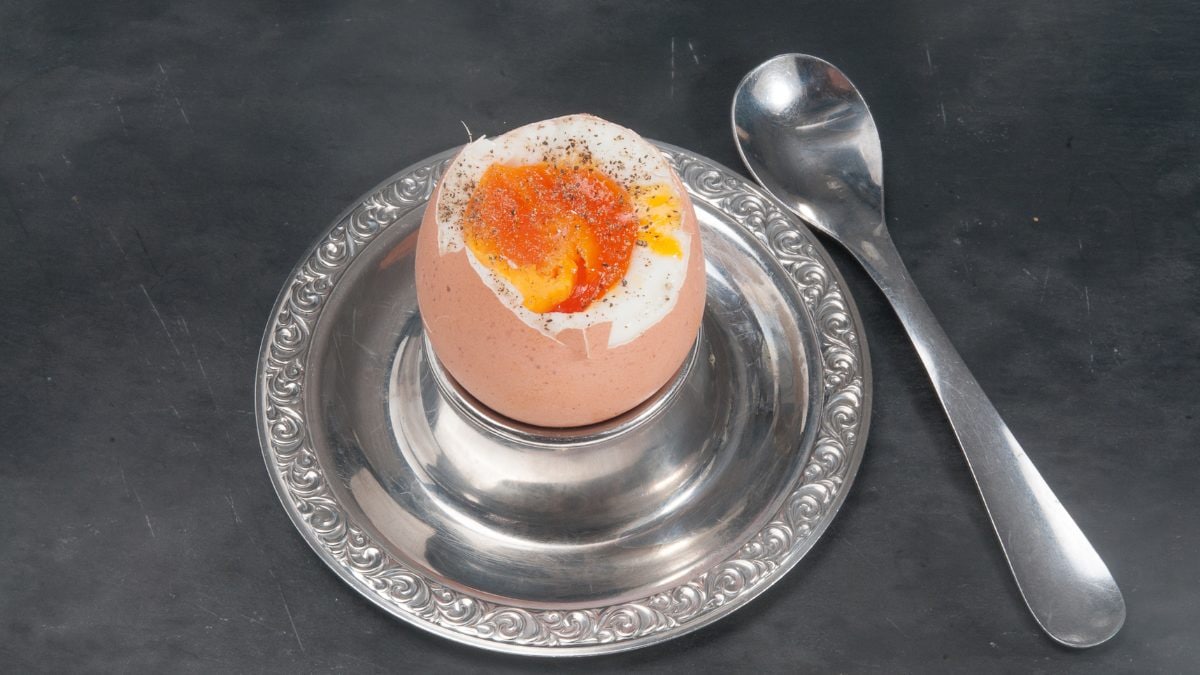
Further revelation: Folks out there tarnishing their silverware on purpose. Huh!
 NYXA Team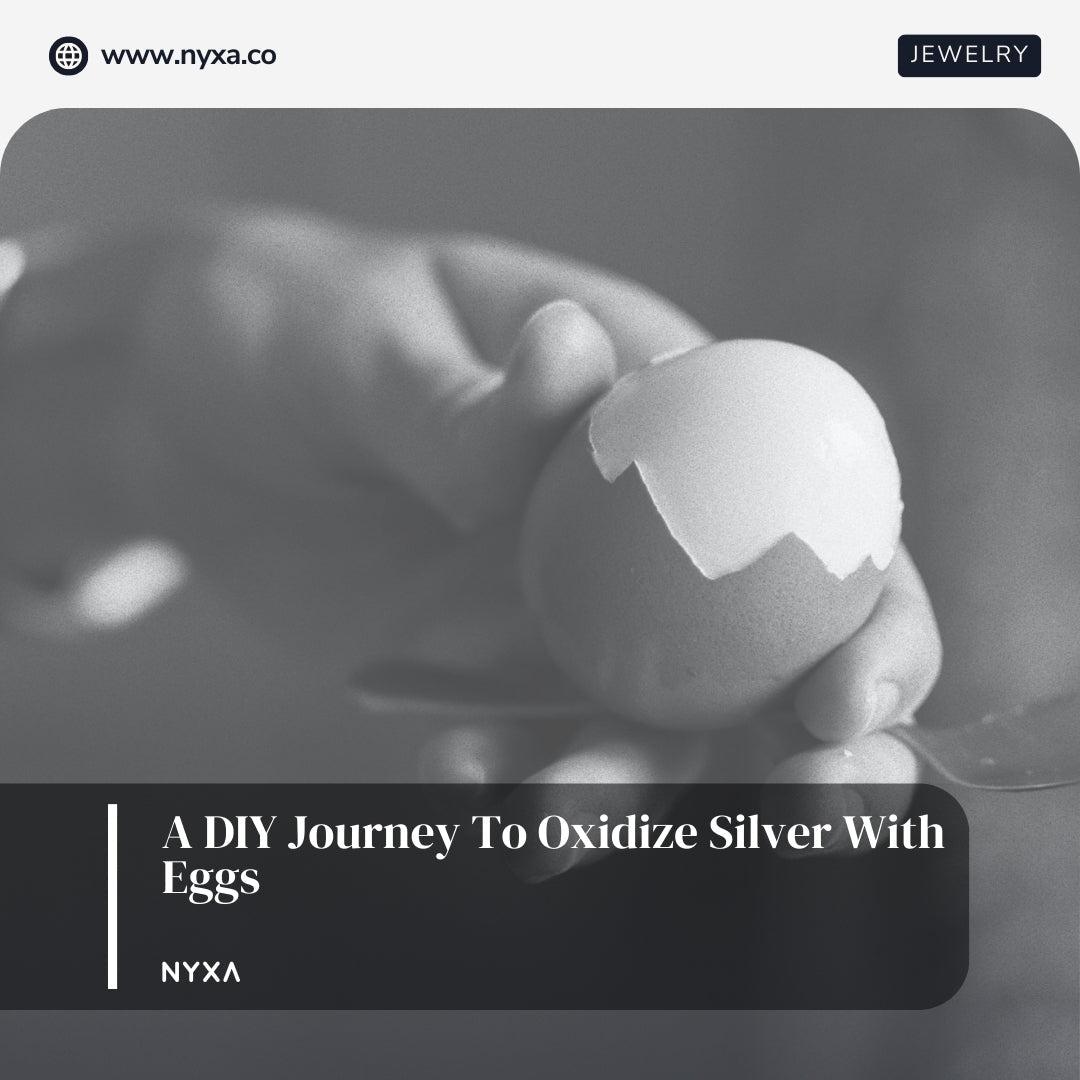

SANDWICH RECIPES DEP'T.
WE PRESENT INSTRUCTIONS for the assembly of a sandwich selected from Consolidated Library of Modern Cooking and Household Recipes, Vol. IV, by Christine Terhune Herrick, Editor-In-Chief, author of The Little Dinner, The Chafing-Dish Supper, etc., and associate author with Marion Harland of the National Cook Book, and a list of contributors which includes many of the famous chefs and cooking experts of the United States, published in 1905 and available at archive.org for the delectation of all.
Cheese Sandwiches
Cut very thin slices of rich cheese, lay thin on brown bread, dust lightly with cayenne or paprika, and cover as usual. Or use grated Edam or Parmesan cheese in the same way. Or grate mild domestic cream cheese, mix with chilli sauce or tomato catsup, and spread between either white or brown bread.
Nut Sandwiches
Chop or grind equal parts of peanuts, English walnuts, and pecans; mix well, with plenty of salt; mix with enough softened butter or thick, rich cream to bind together, add a dash of paprika, and spread between thin slices of entire wheat or brown bread. Either of these nuts may be used alone if preferred or more convenient.
Cheese-and-Nut Sandwiches
Chop Swiss cheese, mix it with an equal quantity of chopped nut meat, add salt and a dash of cayenne; spread between slightly buttered slices of bread. Cut in rounds or triangles.
If you are inspired to prepare a sandwich inspired by our continued offerings, be sure to send along a description of your experience and a photo or three to us here: indignity@indignity.net.

EASY LISTENING DEP'T.
Here is the Indignity Morning Podcast archive!
 TOM SCOCCA

SELF-SERVING SELF-PROMOTION DEP'T.